Top Tips for Picking a Reputable Auto Repair Shop
Selecting a reliable car repair center is vital for maintaining your vehicle and ensuring safety. Several key factors play a role in this choice, from technician certifications to client reviews. Knowing the details of warranty agreements can help avoid problems down the road. Open communication with repair professionals also is instrumental in achieving satisfactory results. All of these elements impact the final outcome. What should one prioritize when making this important choice? The following insights will clarify the path to finding a trustworthy repair shop.
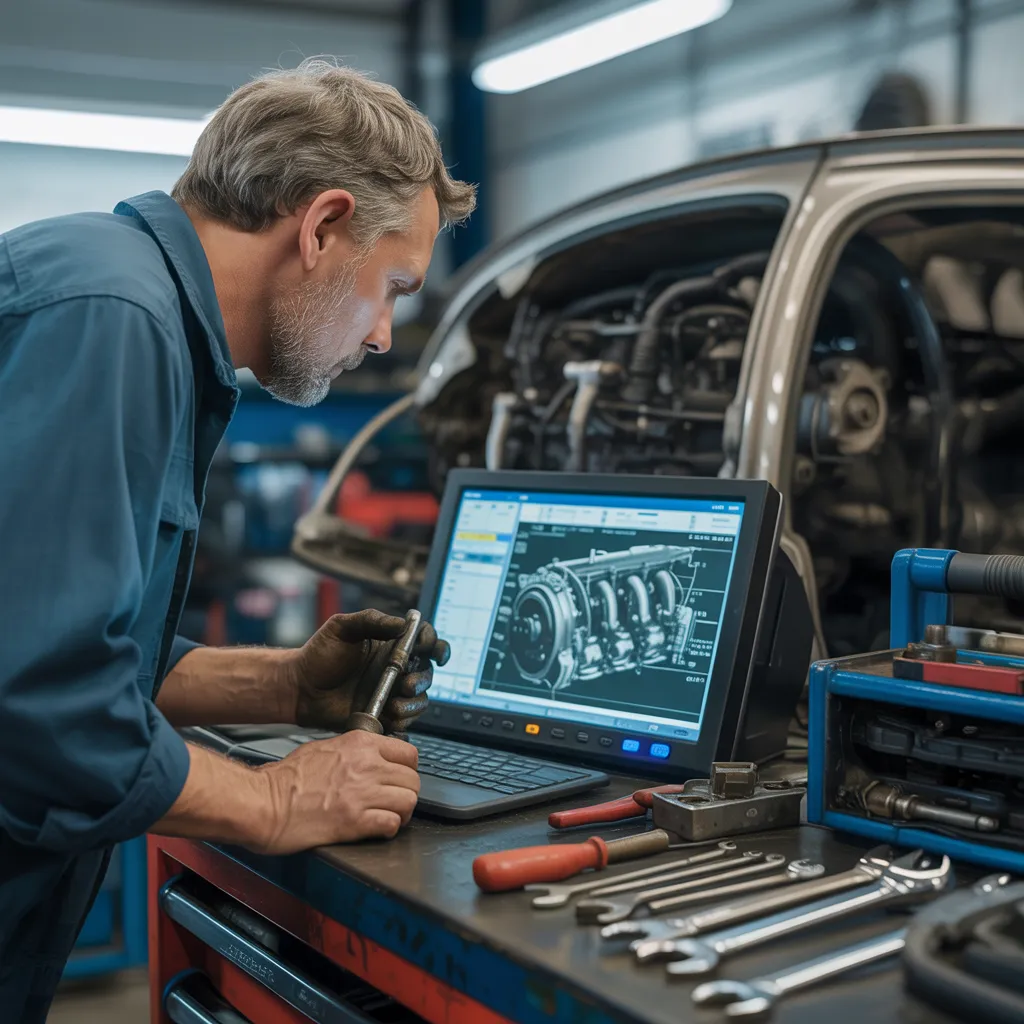
Why Choosing the Right Auto Repair Shop Matters
Selecting the ideal auto repair shop is essential, as it can substantially impact both vehicle performance and owner peace of mind. A dependable shop confirms that repairs are performed correctly, boosting the longevity and efficiency of the vehicle. Owners who opt for a credible establishment often experience fewer breakdowns and lower repair costs over time, as quality work minimizes the need for repeat visits.
Moreover, a trustworthy auto repair shop establishes a sense of security among vehicle owners. Car owners are better positioned to feel at ease in their choice, knowing that seasoned technicians are servicing their cars. This confidence can lead to stronger maintenance practices, ultimately resulting in improved vehicle safety. Additionally, developing a relationship with a reputable shop can ease the repair process, providing easy access to expert advice and efficient service. In conclusion, making an well-considered choice in auto repair can significantly affect both the car's functionality and the driver's complete peace of mind.
Check for Certifications and Qualifications
When seeking an auto repair shop, it is important to evaluate the qualifications and certifications of the technicians. Certified technicians frequently have advanced training and have demonstrated their expertise through examinations. Widely recognized certifications include those from the National Institute for Automotive Service Excellence (ASE), which indicates a strong foundation of knowledge and abilities. Additionally, affiliations with recognized organizations, such as the Automotive Service Association (ASA), can additionally confirm a shop's dedication to quality service.
A properly certified technician is more capable of diagnose issues accurately and carry out required repairs effectively, which ultimately results in better service and customer satisfaction. Confirming manufacturer-specific certifications can also confirm that technicians are trained on cutting-edge techniques and updated repair procedures for particular automobile manufacturers. By focusing on credentials and professional qualifications, car owners can improve their prospects for receiving reliable and effective auto repair services.
Browse Customer Feedback for Your Auto Repair Shop
How can customer reviews influence the choice of an auto repair shop? Customer reviews serve as valuable insights into the experiences of previous clients, giving potential customers a preview of the quality of work delivered. Potential customers are able to gauge elements such as reliability, professionalism, and cost through these reviews. Glowing reviews commonly point to a dependable and trustworthy shop, while negative feedback can highlight potential red flags.
Additionally, feedback can uncover consistent service characteristics, for instance reliable wait times or the efficiency of repair services. Internet platforms and social media channels boost these viewpoints, simplifying the process of collecting varied feedback. When reviewing a car repair establishment, people should take into account the cumulative rating together with individual comments relating to service performance and customer experience. These insights can steer them toward a service center that aligns with their needs and goals, thus delivering a more gratifying jump in auto service experience.
An Overview of Warranty and Guarantee Policies
Understanding warranty and guarantee terms is crucial when picking an auto repair shop. Such policies detail what repairs are included and the parameters under which they apply. Knowing the specifics can help consumers make well-informed choices and provide peace of mind about their vehicle repairs.
Warranty Coverage Information
Managing warranty coverage details can greatly impact the general satisfaction with an auto repair shop. A clear understanding of what is included under warranty can avoid confusion and dissatisfaction. Auto repair shops frequently offer warranties on parts and workmanship, but the specifics can vary markedly. Customers should inquire about the warranty period, the kinds of repairs or components covered, and any exclusions that may apply. Moreover, it is important to know whether the warranty is valid nationwide or confined to the individual shop. Diligently reviewing these details before committing to services assures that customers are covered against potential defects or issues. This informed approach builds trust and improves the overall repair experience.
Warranty Terms Clarified
What should customers be aware of regarding guarantee terms when picking an auto repair shop? Understanding the distinction between warranties and guarantees is essential. A warranty generally applies to specific repairs or components for a set period of time, guaranteeing that should problems occur, the shop will resolve them without additional charges. By comparison, a guarantee frequently represents the shop's pledge to superior craftsmanship, assuring customer satisfaction or a refund if the service falls short of established standards. Clients should ask about the timeframe, coverage details, and restrictions of these policies. Furthermore, they should carefully review the fine print to prevent any confusion. By clarifying these terms, customers can make informed decisions and choose a repair shop that stands behind its work.
How to Effectively Communicate With Your Mechanic
How can one guarantee that interactions with a mechanic remain clear and productive? The first step is to provide a detailed description of the vehicle's symptoms. In place of general or imprecise remarks, one should focus on specific issues, including odd sounds or activated warning signals. Doing so enables the mechanic to identify the issue with greater precision.
Moreover, asking questions plays a vital role. Asking about the repair process, required parts, and anticipated timelines promotes a better understanding. Active listening serves an equally important purpose; one ought to carefully follow the mechanic's explanations and seek clarification whenever something is confusing.
In addition, it's beneficial to build a relationship with the repair specialist. Building trust can lead to superior service and greater personalized attention for the vehicle. To conclude, keeping written records of past repairs and services can enhance communication by providing context for ongoing issues. Proper communication eventually results in a more positive maintenance experience.
Compare Quotes and Pricing
A thorough review of pricing and estimates can highlight notable variations between vehicle service centers. When looking for auto repairs, customers should obtain estimates from various shops to determine the standard cost for needed repairs. This practice not only provides insight into likely expenditures but also highlights variations in service offerings.
It is essential to consider what each estimate encompasses. Certain shops may provide lower quotes but compromise on parts quality or labor guarantees, while others might charge higher rates for premium service and components. Furthermore, understanding the breakdown of costs—labor, parts, and any potential hidden fees—can help consumers make an informed choice.
Besides the price, reputation and customer service should also be considered. A slightly more expensive shop may provide greater reliability and a more dependable experience. When all is said and done, striking a balance between price, quality, and service reputation secures a more successful outcome for car repairs.
Common Questions and Answers
How Can I Determine if a Shop Is Reliable?
A reliable establishment often displays credentials, offers straightforward costs, and has positive customer reviews. Moreover, a welcoming setting with skilled team members can suggest dependability, while clear interaction and service assurances further improve confidence in their offerings.
What Should I Do if I'm Unsatisfied With Repairs?
Should repairs prove unsatisfactory, the customer should begin by raising their concerns with the repair shop. If unresolved, obtaining a second opinion or reaching out to consumer protection agencies may be needed to handle the situation properly.
Are There Certain Red Flags You Should Be Aware Of?
Red flags to watch for include absence of proper certifications, unclear pricing estimates, incomplete repairs, poor customer reviews, a lack of professionalism, and hesitation to give clear answers. These indicators often signify potential issues with the repair shop's reliability.
How Often Should I Get My Vehicle Serviced?
Vehicles ought to be serviced every 5,000 to 7,500 miles or or every 6 months, whichever comes first. Consistent upkeep ensures peak performance, vehicle safety, and longevity, preventing costly repairs and enhancing your day-to-day driving experience.
Am I Able to Request Old Parts Following Repairs?
Indeed, vehicle owners can ask to view used parts after the repair process. The majority of trustworthy repair shops accommodate such requests, as transparency builds trust. Being aware of the condition of removed components can provide reassurance about the level of service delivered.